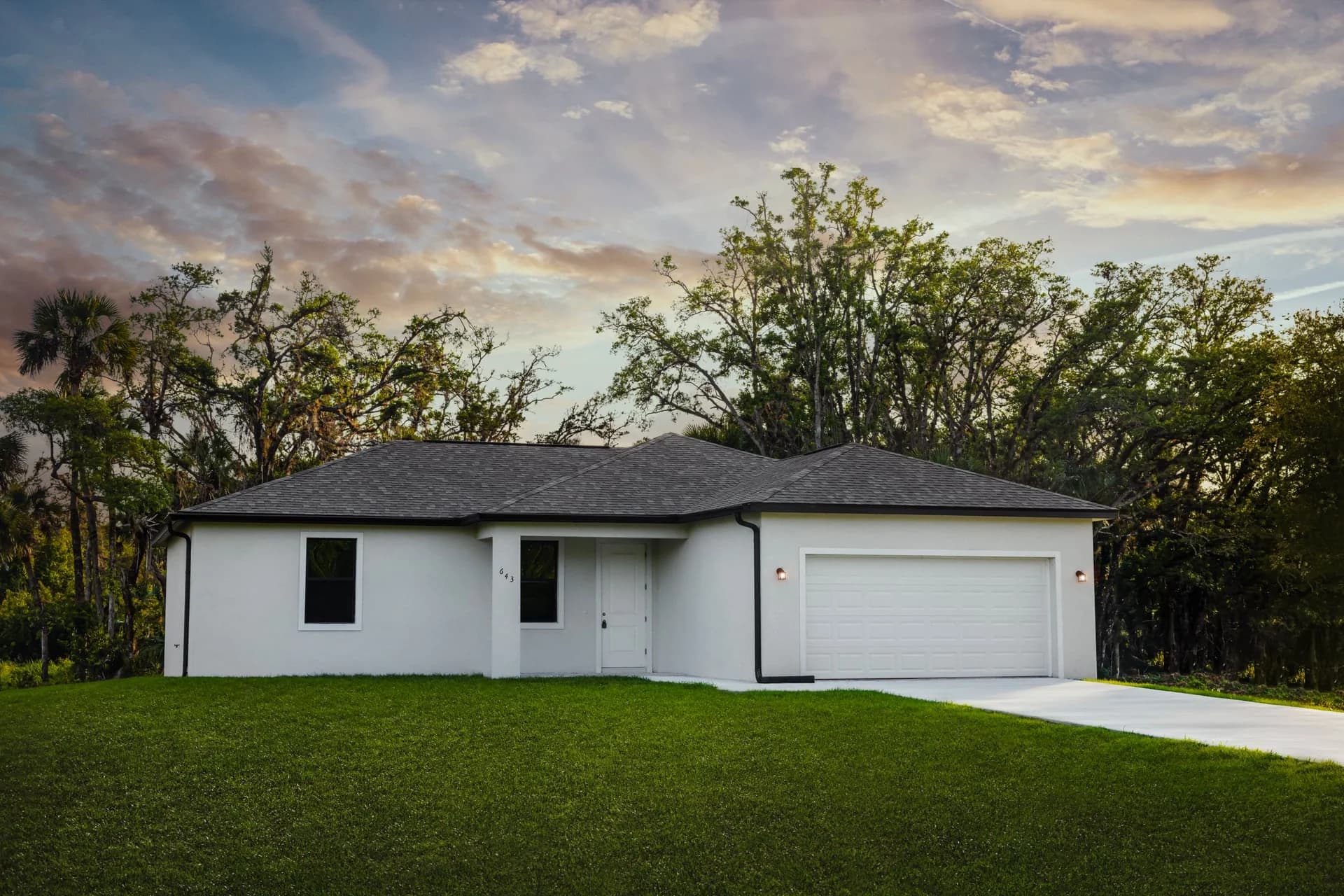
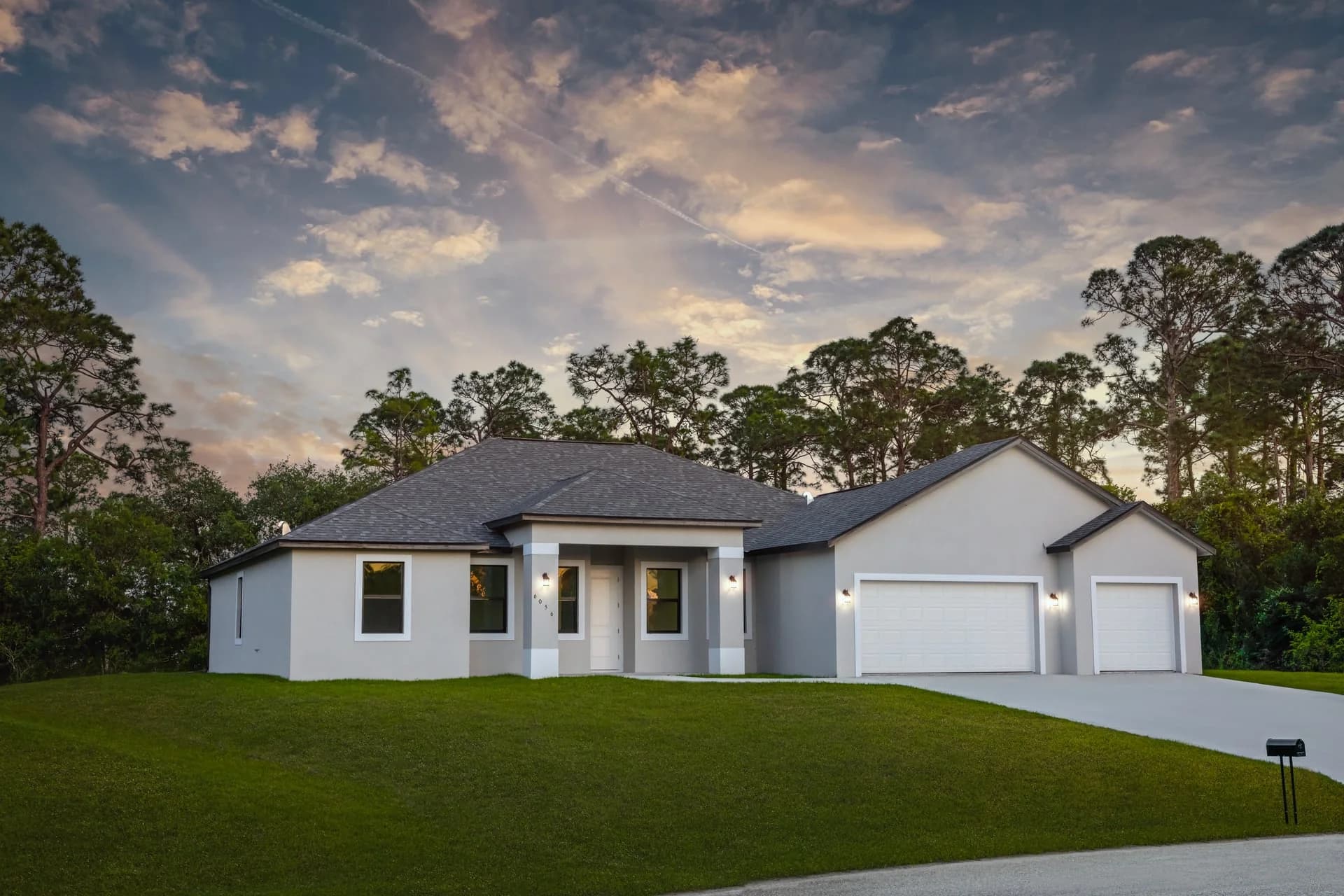
The Save Our Homes cap for 2026 is 2.7%. Florida limits the annual increase in the assessed value of a homesteaded home to 3% or the change in the Consumer Price Index, whichever is lower. The Department of Revenue's January 2026 Save Our Homes sheet shows a 2.7% CPI change for 2026, so the cap is 2.7%, not 3%.
The cap does not apply in the year homestead is first granted. It starts the following year. A buyer who treats the cap as immediate protection will overestimate the savings in year one.
Last updated October 29, 2026.
What is Save Our Homes?
Save Our Homes is an assessment limitation in section 193.155, Florida Statutes. Voters approved it in 1992. After a home receives homestead exemption, the assessed value used for property taxes may not rise, year to year, by more than the cap. Market value can rise faster. The gap between market value and assessed value is the "Save Our Homes benefit." It is not cash. It is a lower assessed value.
The Florida Department of Revenue publishes the cap each year. Recent rows from the January 2026 sheet:
| Year | CPI change | Cap that year |
|---|---|---|
| 2026 | 2.7% | 2.7% |
| 2025 | 2.9% | 2.9% |
| 2024 | 3.4% | 3.0% |
| 2023 | 6.5% | 3.0% |
| 2022 | 7.0% | 3.0% |
When inflation ran hot, the 3% ceiling did the work. In 2026, inflation is the lower number, so the ceiling is 2.7%.
The year-by-year sequence for a new owner
The Pinellas County Property Appraiser states the sequence in plain language: if homestead is granted for 2026, the assessed value is capped beginning in 2027. The same statute applies in Hendry County and Lee County. The offices differ. The clock does not.
- Year homestead is granted. Assessed value starts from the property appraiser's just value, then exemptions come off. There is no Save Our Homes cap yet. This is often the highest taxable value you will have relative to the market, if values later rise.
- The next year. The cap applies to the increase in assessed value. For a 2027 cap year, the relevant published percentage is whatever DOR sets for 2027. The 2.7% figure is the 2026 cap, not a permanent rate.
- Later years. The gap can compound if market value outruns the cap. That gap can sometimes be transferred to your next Florida homestead. The Department of Revenue calls that portability. It moves between Florida homesteads. It does not follow you from another state.
If you sell, the cap and the exemption come off at the end of the calendar year for the new owner. The person who buys your house later does not inherit your assessed value. They start their own homestead. That is why a long-time neighbor can show a tax bill that a new buyer cannot copy.
What the cap does not cover
- Non-homestead property has a different limit. A 10% non-homestead assessment cap exists and does not apply to school taxes. The Pinellas appraiser notes that no application is required for that cap. It is not Save Our Homes, and it is not as tight as 2.7%.
- Rental use. If you do not live in the home as your permanent residence, do not expect the homestead cap. A rent-to-own resident does not own the home yet, so the owner of record is the one on the roll. After you purchase and qualify, your own cap clock starts.
- School-tax details and the additional exemption follow homestead rules, not the cap percentage. Read homestead amounts for 2026.
- The November payment discount is a percent off the bill, not a cap on value. See the 4% discount.
How to use this when you are comparing states
Someone leaving Illinois or New Jersey is often escaping both a high rate and a fast reassessment. Florida's statewide effective rate is 0.94% in the Tax Foundation 2025 table, and Save Our Homes is what keeps a primary home from being reassessed to full market value every year after the first homestead year.
Someone leaving California should not assume Proposition 13 and Save Our Homes are the same product. Both limit assessment growth. The base year, the rate, and portability rules differ. Compare the bill you will pay in year one and in year five, not the nickname of the cap.
Insurance, documentary stamps, and the purchase price still sit outside this cap. Our published LaBelle prices start at $316,900. The full move checklist is here.
Frequently asked questions
Does a brand-new house get Save Our Homes in the first year?
No. New construction does not get a special head start. Homestead first, cap the year after. A new M.J. Newell home and a resale follow the same clock once you qualify.
If values fall, does the cap push my assessment up anyway?
The cap limits increases. It is not a floor that forces the assessed value up by 2.7% when the market falls. The property appraiser still determines just value. Ask the county how a decline is handled on your parcel. Do not budget a mandatory 2.7% tax increase.
Can two people port two Florida homesteads into one new house?
Portability has statutory limits and a filing window. The Department of Revenue's portability guide is the starting point, and the county property appraiser is the decision maker. Bring the prior TRIM notices if you already own a Florida homestead.
Sources
- Florida Department of Revenue, Save Our Homes annual increase (revised January 2026)
- Florida Department of Revenue, exemptions and portability overview
- Pinellas County Property Appraiser, Save Our Homes — cap begins the year after homestead is granted
See homes that would start this clock after you buy: LaBelle and Lehigh Acres.