For the 2026 tax year, Florida's homestead exemption is $25,000 off the assessed value for every taxing authority, plus an additional exemption of up to $26,411 that applies only to non-school taxes and only to assessed value above $50,000. Added together, the ceiling people quote is $51,411. You receive the additional piece only if the assessed value is high enough to use it.
The additional amount is indexed to inflation under section 196.031(1)(b), Florida Statutes. The Florida Department of Revenue's January 2026 sheet lists the 2026 CPI change at 2.7% and the maximum additional exemption at $26,411. In 2025 that additional piece was $25,722. In 2024 it was the $25,000 base year of the index.
Last updated October 29, 2026.
What is homestead exemption?
Homestead exemption is a reduction in taxable value for a home you own and use as your permanent residence, or as the permanent residence of your dependent. The Florida Department of Revenue states that the exemption also qualifies the home for the Save Our Homes assessment limitation, and that you apply with the property appraiser in the county where the property is located.
It is not a discount for paying early. The November 4% discount is a separate statute. Homestead changes the value the millage is applied to. The early-pay discount changes the check you write.
The 2026 amounts in one table
| Piece | 2026 amount | What it reduces |
|---|---|---|
| Base homestead | $25,000 | All property taxes, including school taxes |
| Additional homestead | Up to $26,411 | Non-school taxes only, and only on assessed value above $50,000 |
| Combined ceiling | $51,411 | Not automatic. The second piece depends on value and on which authority is taxing |
Source: Florida Department of Revenue, Additional Homestead Exemption Adjustment, revised January 2026. County appraisers describe the same split. The Leon County Property Appraiser tells owners the 2026 exemption is up to $51,411 and that the first $25,000 applies to all taxes, including schools.
A small house assessed under $50,000 would not use the additional exemption. Our published single-family prices start at $316,900, so value is not the usual obstacle. Qualifying as your permanent residence is the obstacle.
When a new resident can first file
Own the home and live in it as your permanent residence on January 1 of the tax year. Then file with the county property appraiser. Many appraisers use a March 1 deadline for that year. Read the county's form. Do not assume a closing in October creates homestead for the year that is already underway.
Example: you close and move into a LaBelle home in July 2026, and you still live there on January 1, 2027. The first homestead year is 2027, if the Hendry County property appraiser approves the application. The 2026 bill, if any is assessed to you after closing, is generally without that exemption. Prorations at closing handle the seller's 2026 taxes. Ask the title company what you are actually reimbursing.
Save Our Homes does not cap the first homestead year. The cap starts the next year. For a 2027 homestead, the first capped increase is on the 2028 roll. The rule is in Save Our Homes for new buyers.
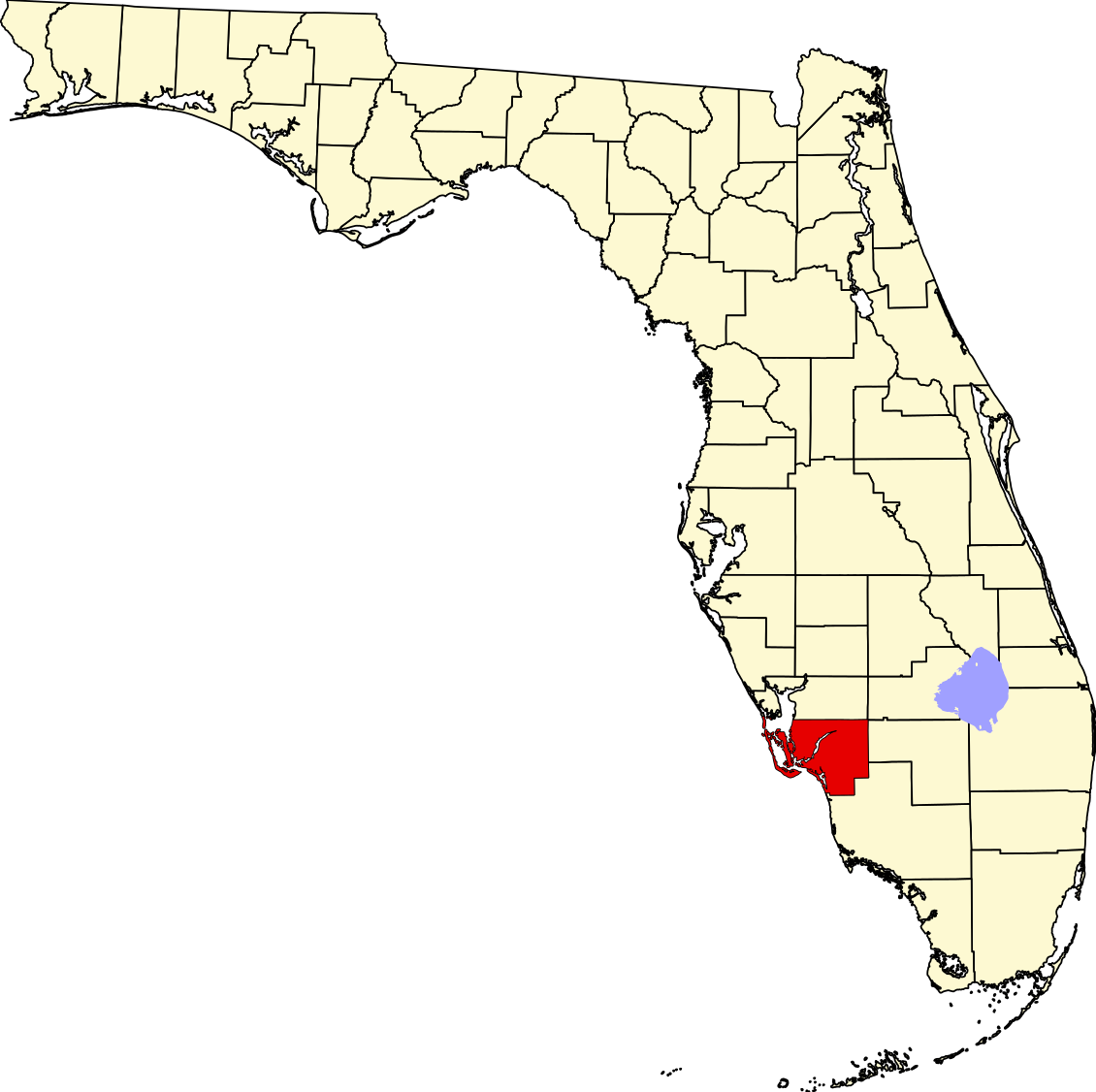
LaBelle and Lehigh Acres are different counties
| Community | County | Who takes the homestead application |
|---|---|---|
| LaBelle | Hendry | Hendry County property appraiser |
| Lehigh Acres | Lee | Lee County property appraiser |
The state sets the exemption amounts. The county decides whether your parcel qualifies. A Florida driver license and a declaration of domicile help tell the story. They do not replace the application.
Rent-to-own, spouses, and a home you still own up north
- During rent-to-own you are not the owner. Homestead follows title. Move-in with $0 down rent-to-own does not start the exemption. Purchase does. Plan the filing year around the closing date, not the day the keys are handed over for the lease.
- You generally claim one Florida homestead. If you or your spouse still claim a residency-based exemption on a house in another state, say so on the application. The property appraiser, not the builder, decides whether the Florida home is your permanent residence.
- Portability is for a Florida homestead you already have. The Department of Revenue explains that the assessment difference can sometimes transfer to a new Florida homestead. It does not import a New Jersey, New York, or California assessment. Guide: DOR PT-112, Save Our Homes and portability.
Other exemptions exist for some widows, disabled persons, seniors, veterans, and first responders. They have their own forms and income tests. Start with the DOR list, then the county.
Frequently asked questions
Is the 2026 homestead exemption $50,000 or $51,411?
The older round number was $50,000: $25,000 plus $25,000. Amendment 5, approved by voters in 2024, indexes the additional non-school exemption. DOR's January 2026 sheet sets that additional piece at $26,411 for 2026. The combined ceiling is $51,411. School taxes still see only the first $25,000.
What if I miss the filing deadline?
You may lose the exemption for that tax year. Some late-file procedures exist at the county. Do not guess. Call the property appraiser as soon as you have a recorded deed and you occupy the home.
Does homestead lower my insurance?
No. Insurers price wind, flood, age of the roof, and construction. A new M.J. Newell home is new construction, which is a different insurance conversation than a 30-year-old roof. Homestead is a tax filing.
Sources
- Florida Department of Revenue, additional homestead exemption adjustment (revised January 2026)
- Florida Department of Revenue, taxpayer exemptions
- Leon County Property Appraiser, homestead FAQ — 2026 ceiling of $51,411, plain-language split between school and non-school taxes
Our longer background piece is the homestead exemption guide. For the move itself, use the out-of-state tax checklist. To look at houses, start with new homes for sale.